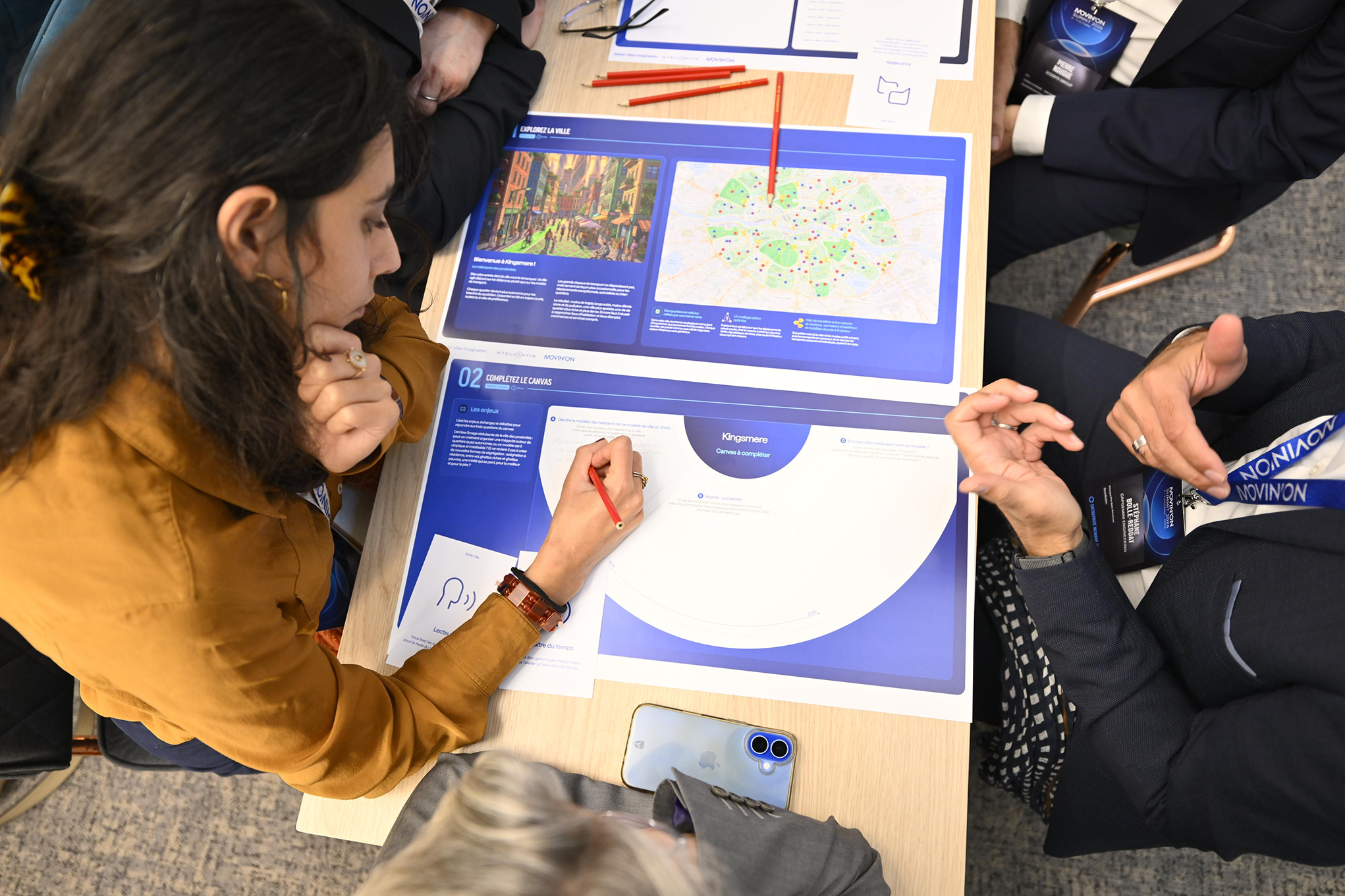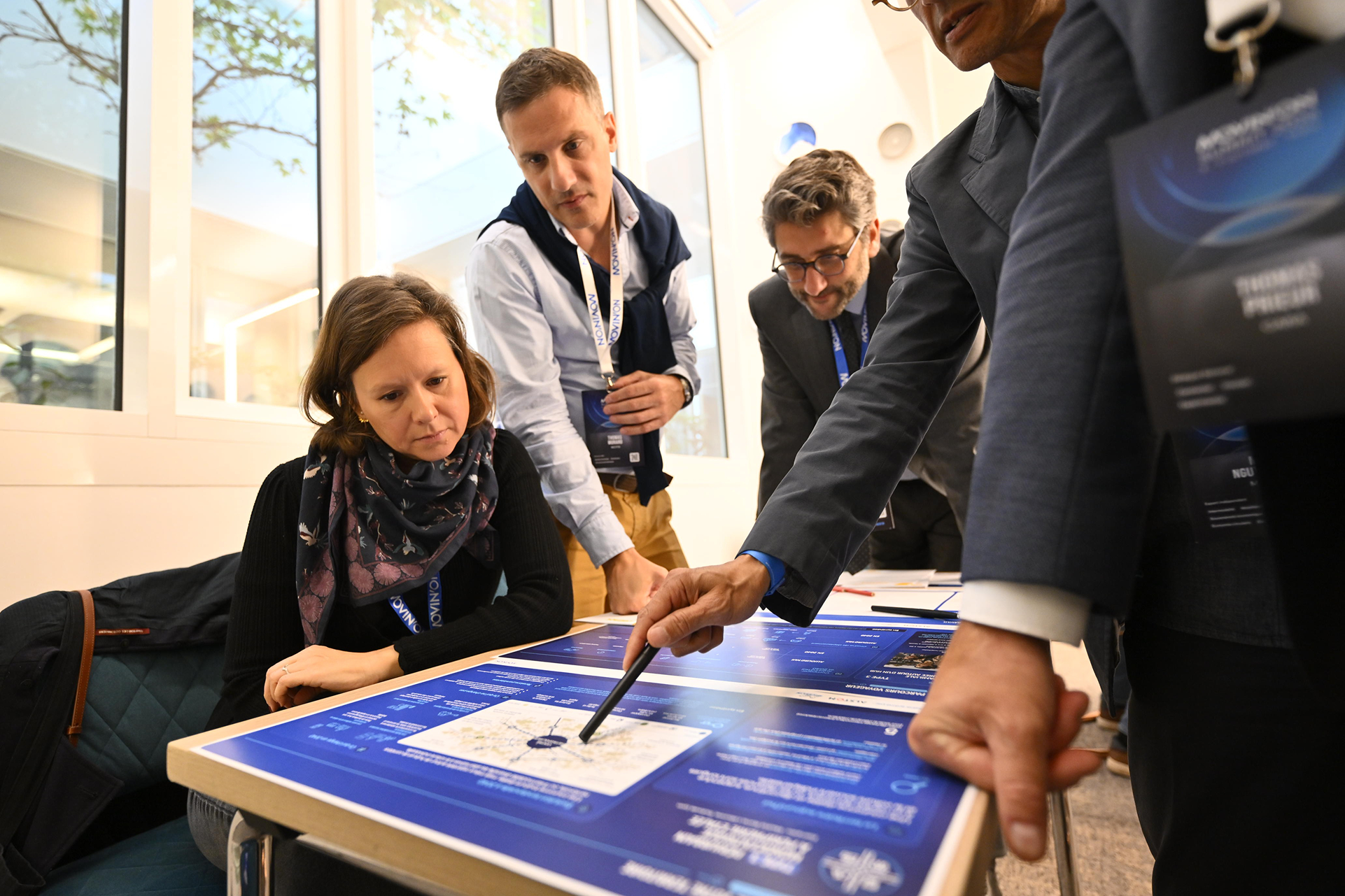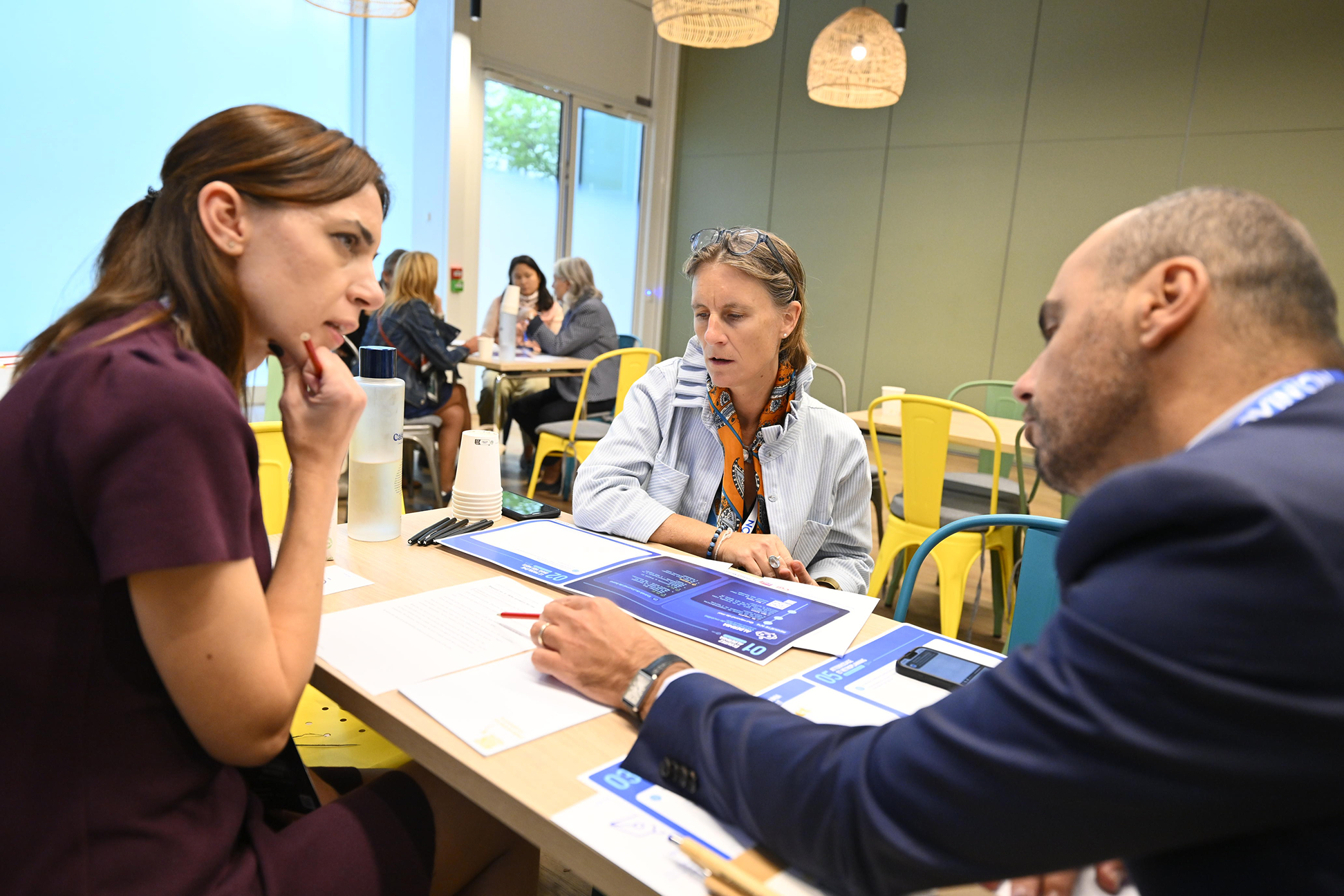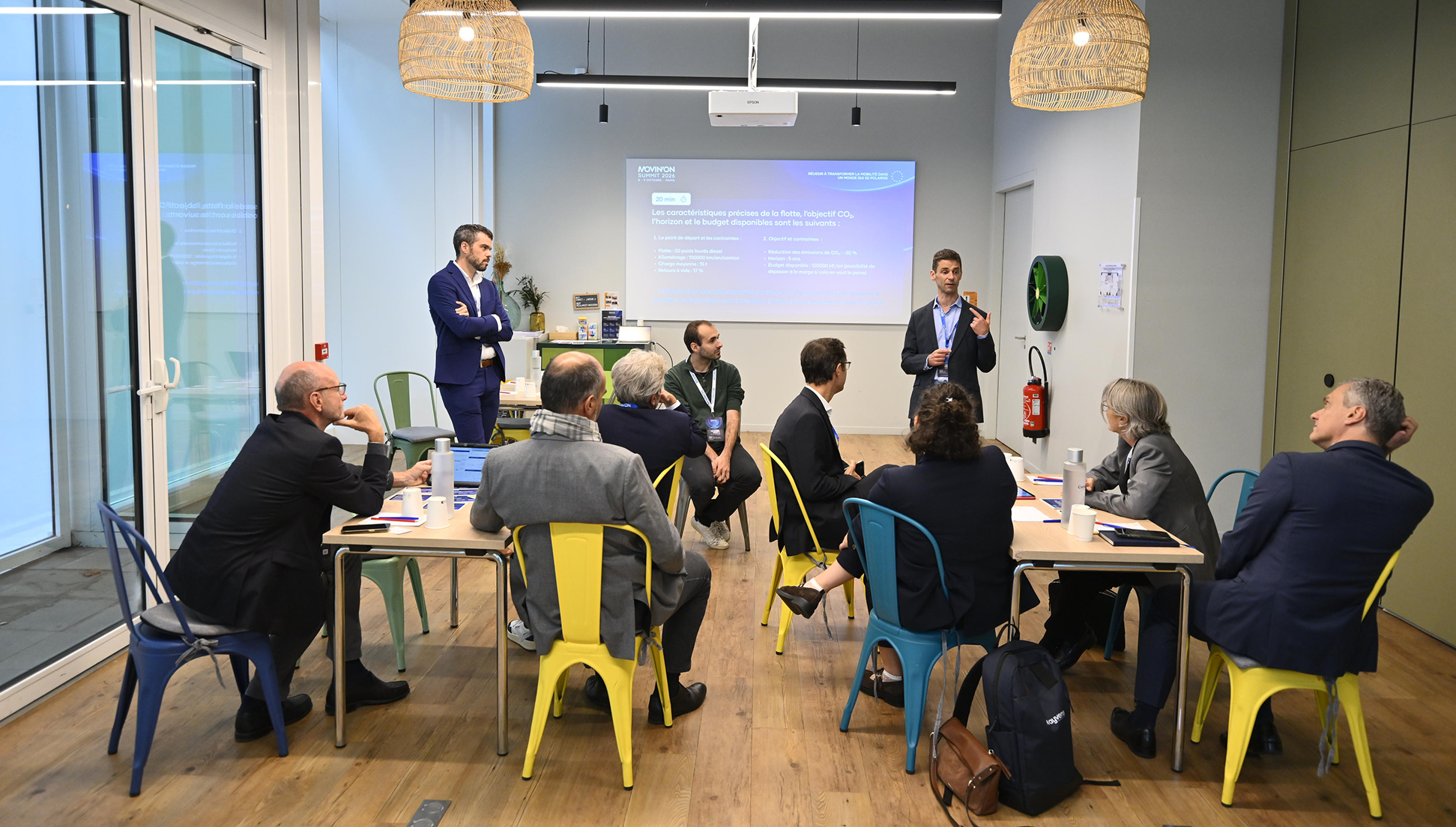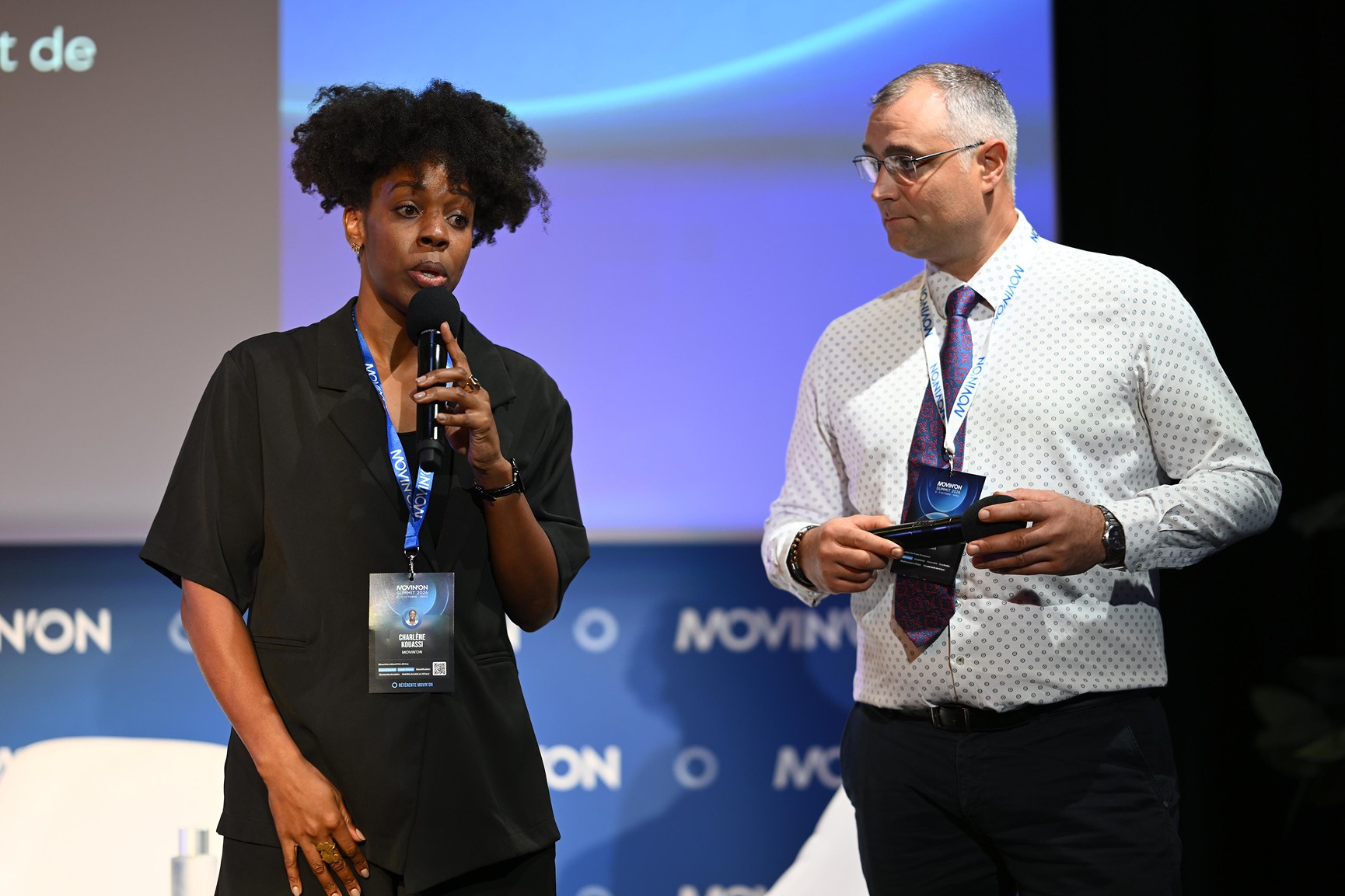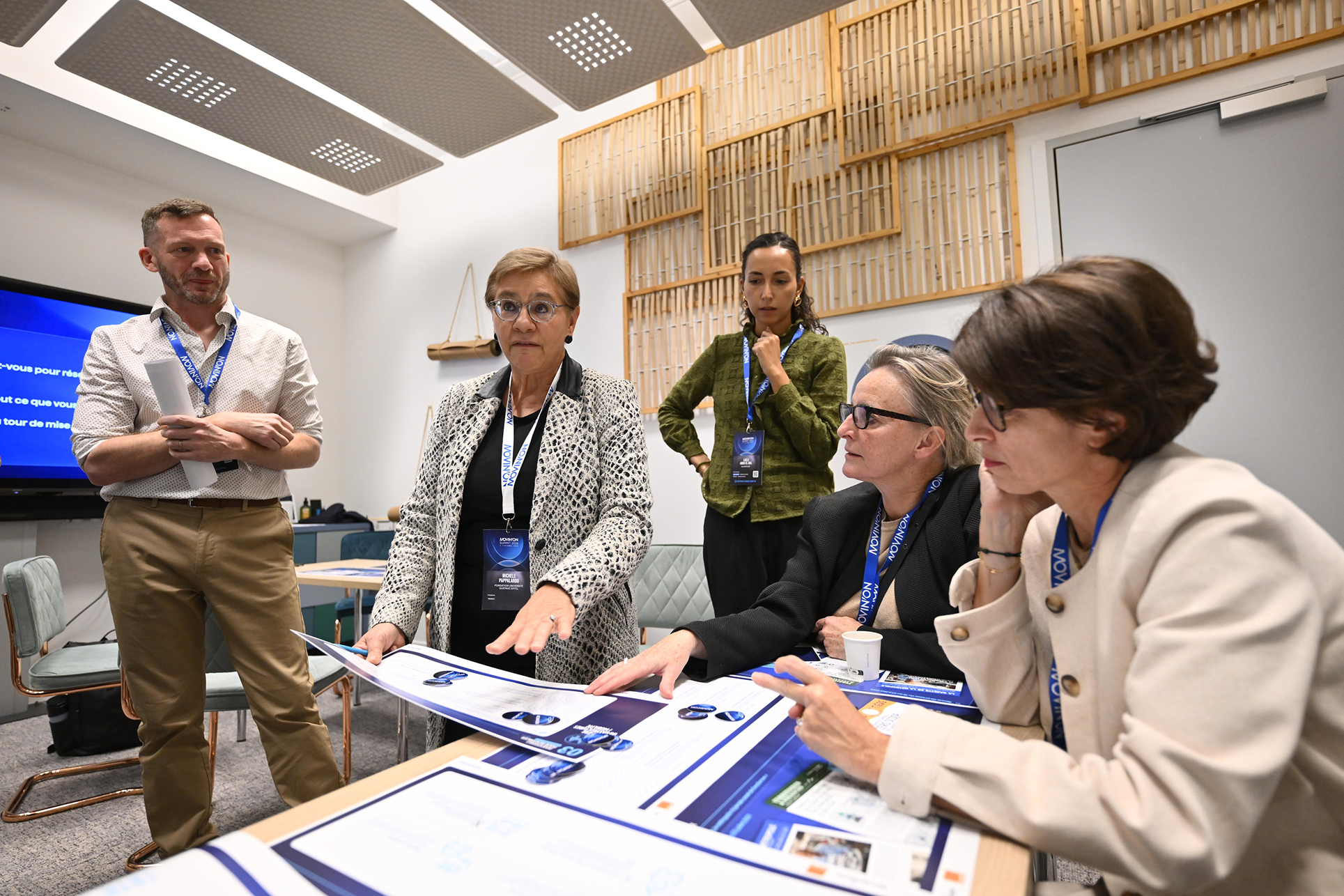
On October 9 in Paris, during the Movin'On Summit, Accenture and Orange led a workshop in which business leaders, elected representatives and experts formed the crisis management team of a metropolitan area hit by six days of 49°C heat. Each sector developed a coherent plan, only to discover that, taken together, the plans did not work…
50°C(1): the heat dome simulated by the City of Paris during its full-scale exercise on October 13, 2023.
July 17, 2026(2): the deadline set for European Union Member States to designate their critical infrastructure in energy, transport and digital services.
Strong Networks on Their Own Can Become Fragile Together
Extreme heat, floods and storms Extreme heat, floods and storms: the crises that can bring a territory to a standstill are becoming more frequent and increasingly interconnected. Yet the networks that keep it running are themselves interdependent. The power grid is managed through telecommunications; telecommunications depend on electricity and open roads for repairs; transport depends on information from all stakeholders. Each operator has its own crisis plans, often robust ones. The problem arises when these plans have to work together. A perfectly rational decision for one stakeholder can weaken a service on which it also depends. Yet coordination and solidarity are difficult to improvise once a crisis has struck.
The Workshop: Four Coherent Plans, One System That Fails
The session opened with imaginary newspaper front pages from 2031, announcing that the metropolitan area had made it through the heatwave without ever ceasing to operate. One question followed: which decisions, taken today, had made this success possible? Participants had to work backwards and choose the decisions that would have made this outcome possible.
Divided into groups covering energy, telecommunications and digital services, infrastructure and transport, and data, participants chose which essential services to protect and then allocated a limited budget across several solutions. Bringing the plans together provided the breakthrough. The energy group had cut power to sites on which the telecommunications group depended to operate its own network; the telecommunications group was relying on roads that no one had guaranteed. The groups then revisited their choices, without any additional budget.
The exercise shows that a stakeholder can strengthen its own resilience while weakening the system as a whole. Conversely, making dependencies visible can sometimes improve collective resilience without requiring additional investment.
Building Solidarity Before a Crisis Makes It Essential
During these initial sessions, participants converged on a shared need: to bring together, before a crisis, those who will have to rely on one another.
That is the ambition behind ALMA — Local Multi-Stakeholder Alliances — which Movin’On is proposing to test in candidate territories or sites. Stakeholders map their critical dependencies, define what must continue to function and prepare the solidarity mechanisms needed in degraded operating conditions.
Movin’On could connect these experiments through a common methodology and national sharing of lessons learned, while leaving local stakeholders to make the decisions and take action.
Participants also identified as priorities the sharing of data between operators; defining essential services and infrastructure; accepting degraded operating conditions rather than seeking total resilience; mapping dependencies between sectors; and directing public and private funding towards these needs. Representatives of ADEME, SNCF, Renault, Alstom, MACIF, Crédit Mutuel Alliance Fédérale and Fondation Université Gustave Eiffel expressed interest in continuing the work on this issue.
A Workshop Organisations Can Run for Themselves
The workshop was designed to continue beyond the Summit. Movin'On offers it to companies, local authorities and institutions wishing to run it with their teams, partners or leadership bodies, in two formats. In just under an hour, participants recreate the Summit experience. Each person first defends their priorities, then discovers the incompatibilities between the plans.
In the longer, three- to four-hour format, the exercise can start from the actual dependencies of a site, territory or organisation, test several crises and begin mapping interdependencies collectively.
The insight comes quickly. A strong individual plan is not enough if its success depends on others. Resilience therefore starts with the ability to prepare together.