Technology is advancing and pilot projects are multiplying, yet transformation often moves more slowly than innovation itself.
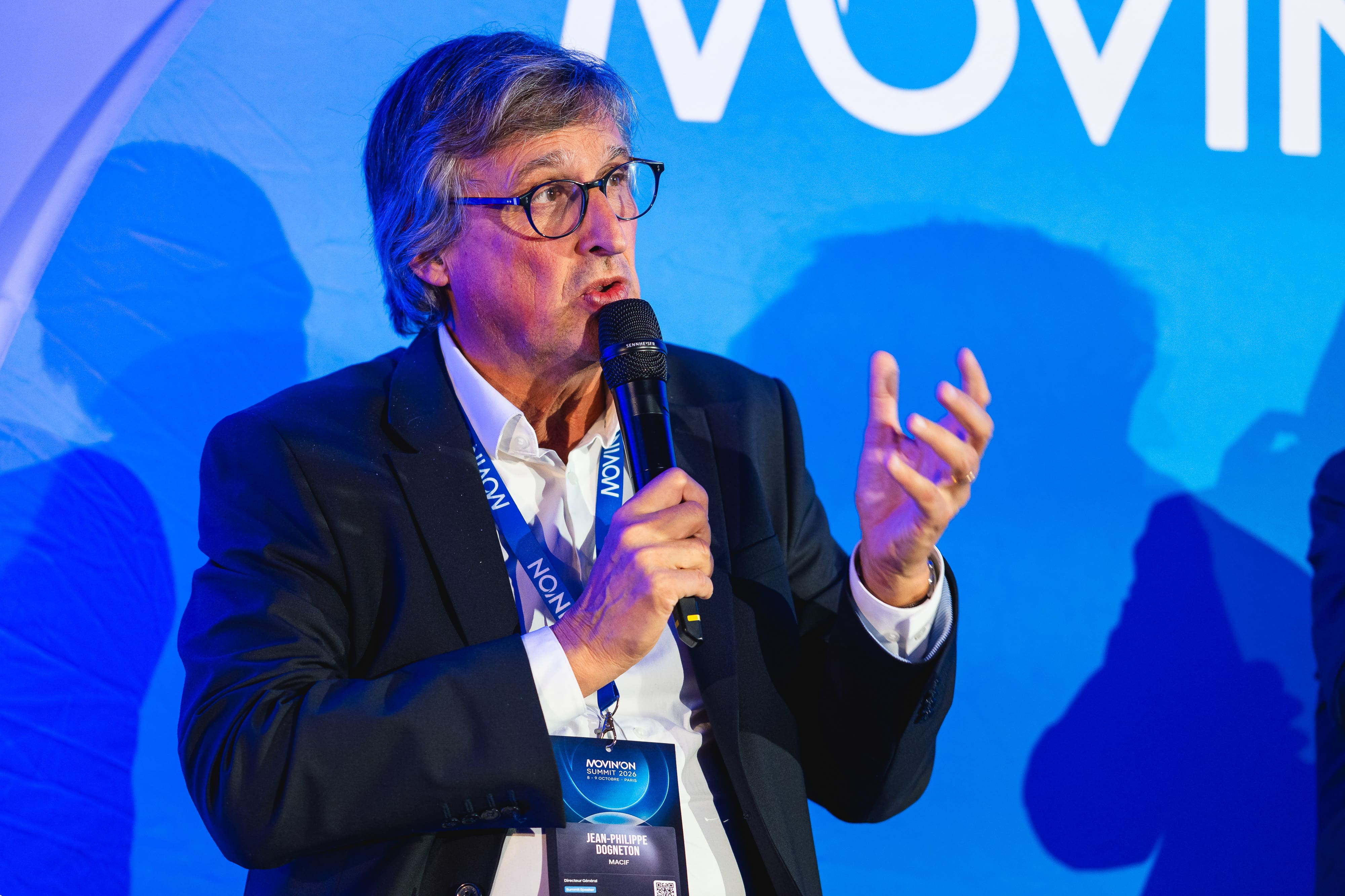
For Jean-Philippe Dogneton, CEO of MACIF, the company chairing Movin’On, the explanation lies largely in the difficulty of bringing together the stakeholders needed to turn a good idea into a service that is genuinely useful. Manufacturers, financiers, operators, insurers, public authorities and users have different professions, constraints and interests. Yet none of them can deliver the transformation required alone.
Start with people
At MACIF, mobility is first viewed through its very real impact on people’s lives.
Being unable to get to work, access healthcare or reorganise the life of a family dependent on a single car is no longer simply a transport issue. It is a question of autonomy.
Sustainable mobility will only truly be sustainable if it remains accessible, useful and acceptable to as many people as possible.
“We are no longer talking only about mobility. We are talking about autonomy.”
Make the ecosystem work
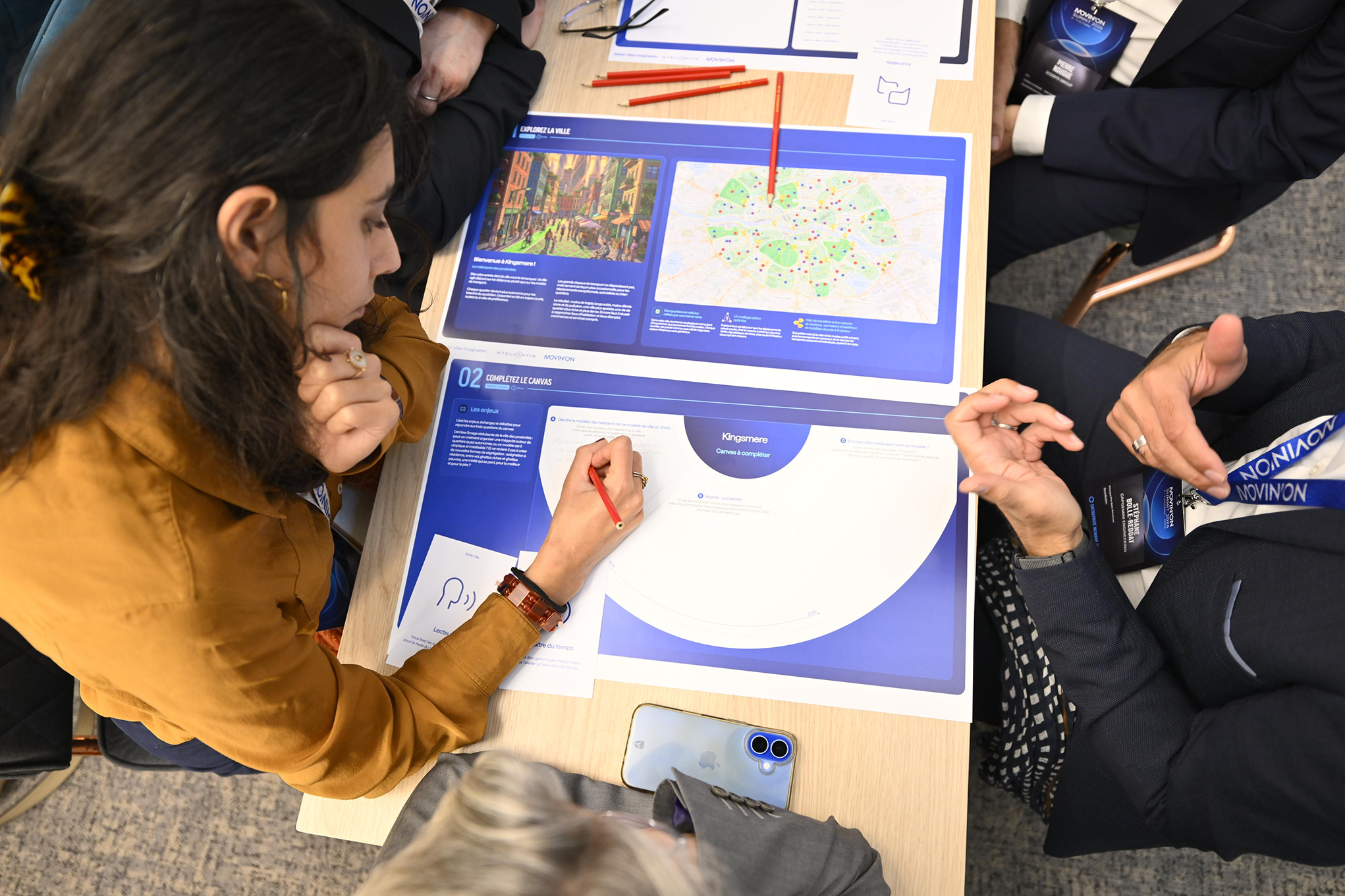
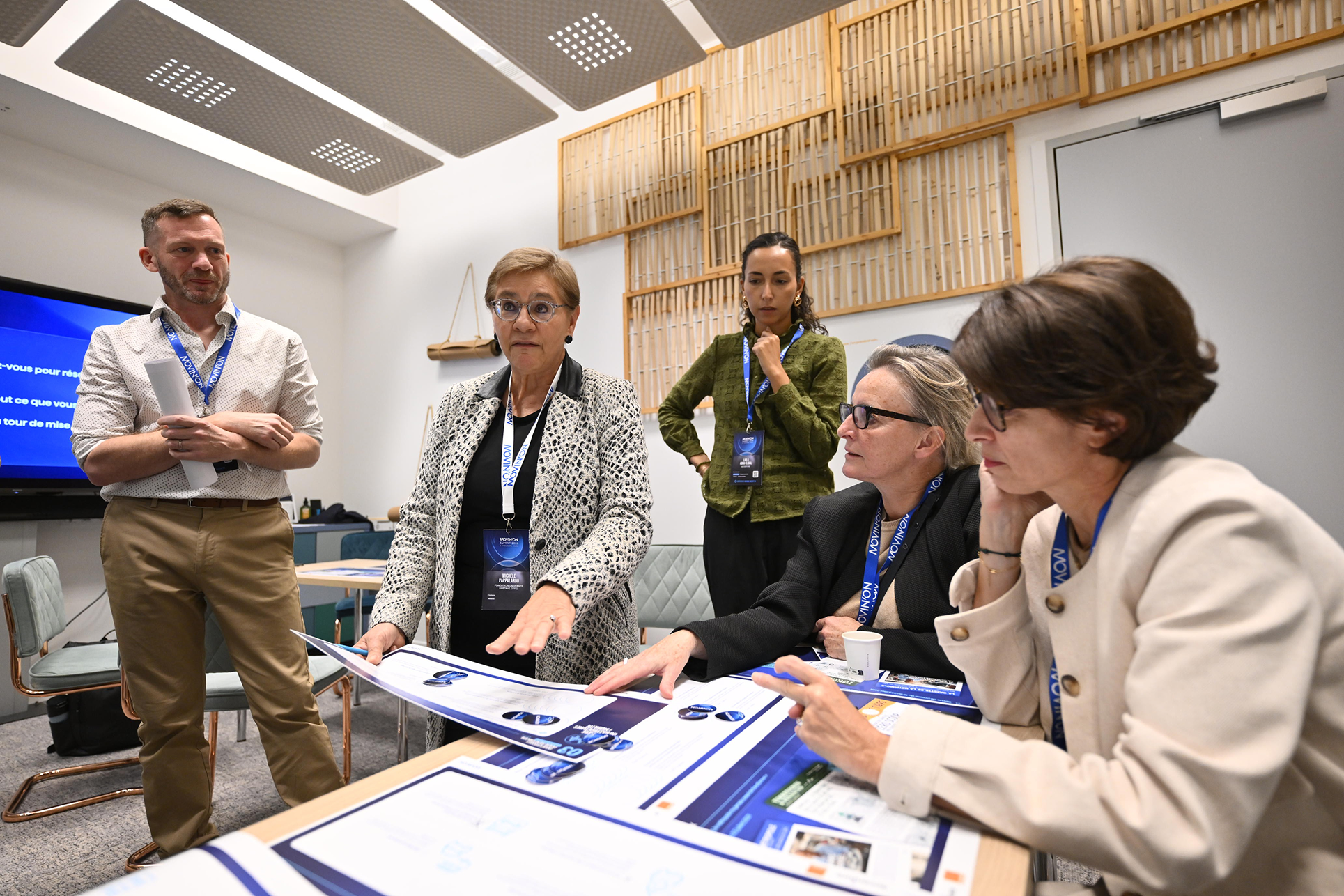
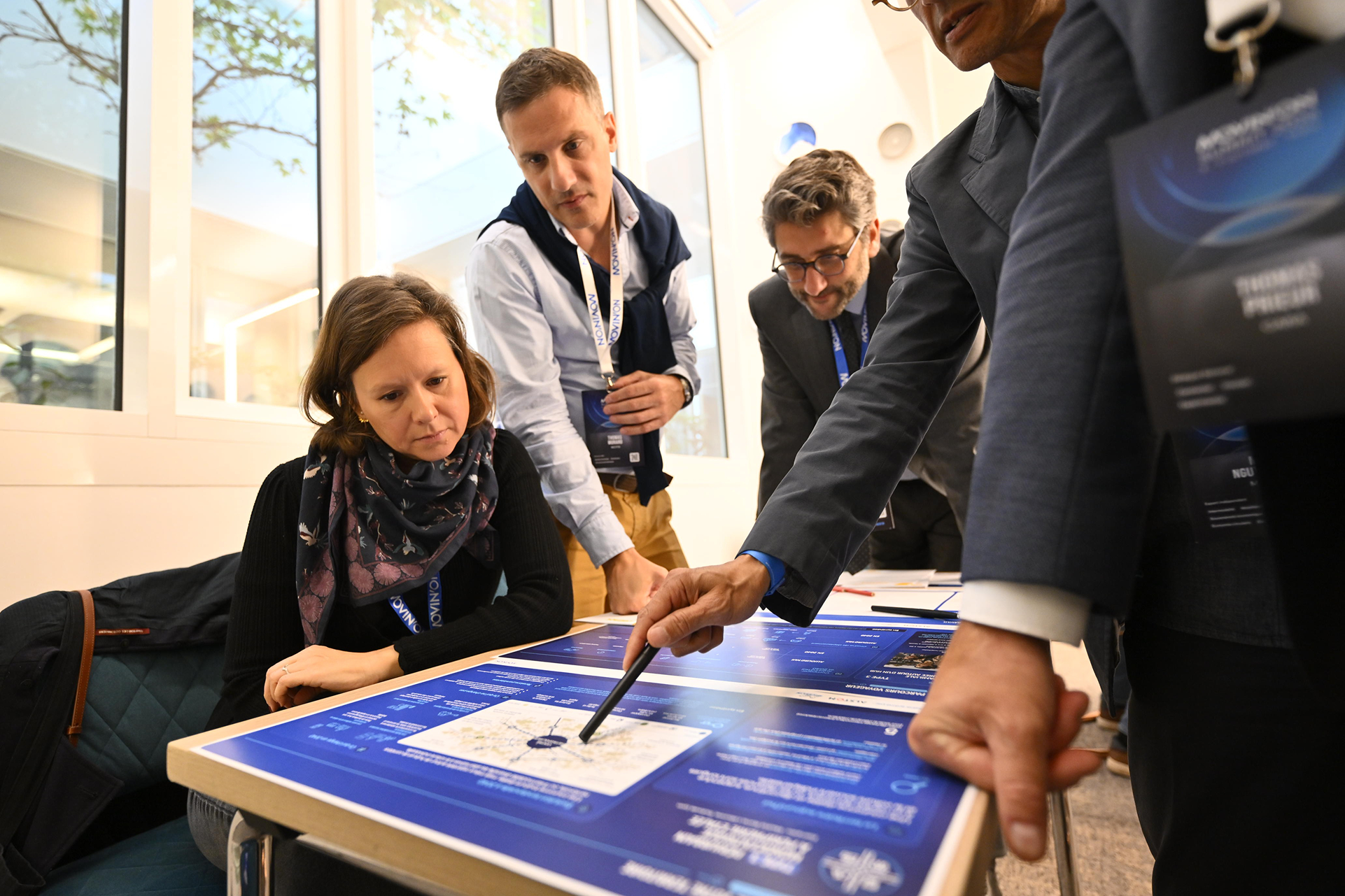
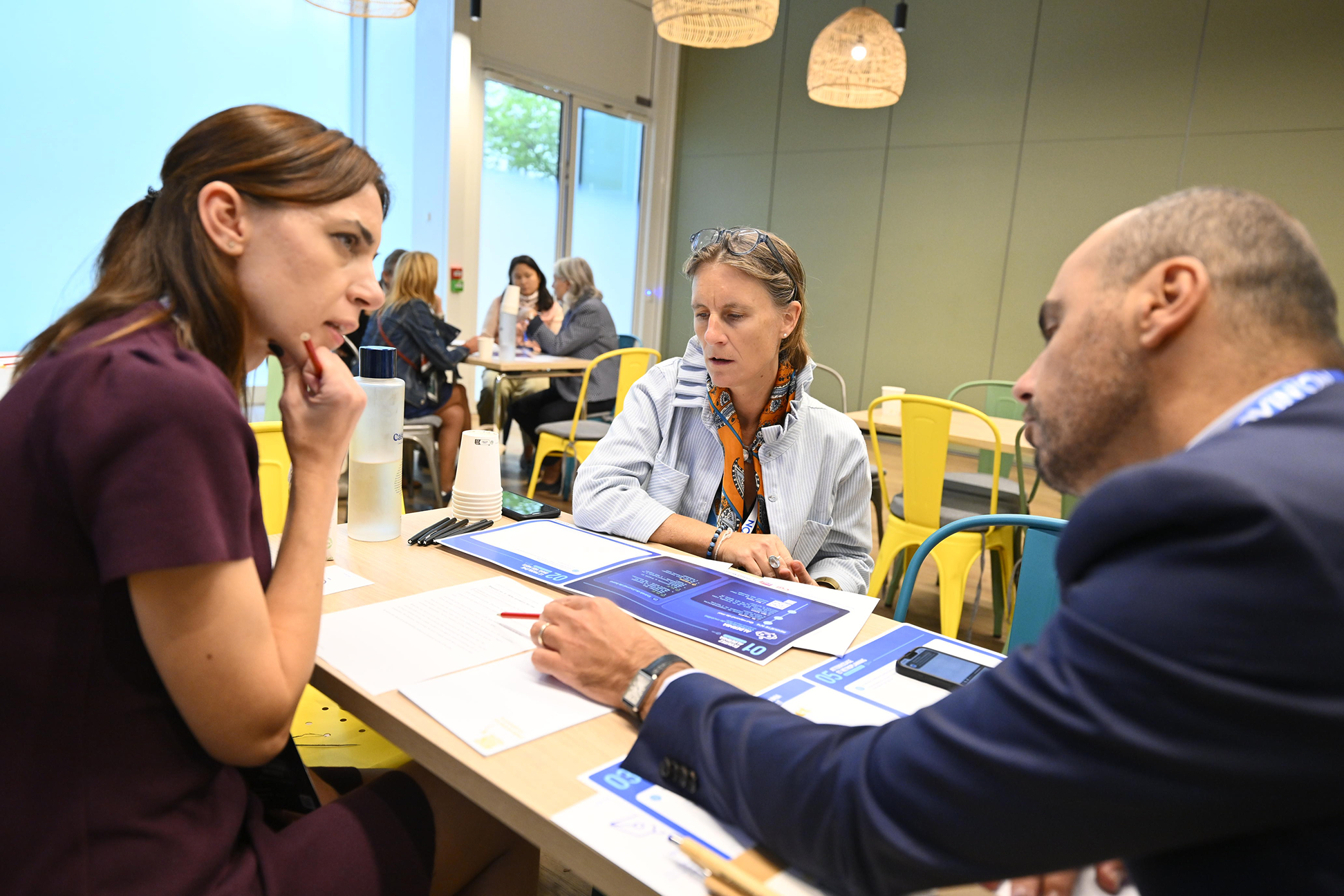
Between innovation and its real-world use lies an entire value chain of stakeholders who need to align.
Jean-Philippe Dogneton sees Movin’On’s value in its ability to bring together those who develop, finance, operate, insure and use solutions—making projects possible that no single stakeholder could deliver alone.
The challenge is not to cooperate for its own sake, but to create the practical conditions that enable a solution to move from pilot project to a service that delivers real value.
Protect people, including in times of crisis
This is where the environmental dimension directly connects with people’s needs. Resilient mobility must continue to protect, connect and serve people when heatwaves, floods, fires or other crises occur.
The ability to maintain—and quickly restore—essential travel then becomes a very tangible condition of autonomy, as well as of the functioning of communities and regions.
Prosperity as a condition for lasting change
This transformation also requires companies that can invest, innovate and sustain solutions over time.
Prosperity is therefore not an objective separate from the other two: it provides some of the resources needed to make mobility both more sustainable and more accessible.
What’s next for Movin’On?
Jean-Philippe Dogneton is calling for the coalition to expand, opening up more areas of focus and multiplying cooperation among mobility stakeholders.
He also proposes a collective discussion on creating a Movin’On Award. Its purpose, criteria and format remain to be defined, but it could recognise a mobility solution that genuinely improves people’s lives, reduces its impact on the planet, and durably strengthens the prosperity and resilience of its ecosystem.
The ambition is simple: to broaden Movin’On’s “points of contact” with mobility challenges, so that more innovations can be turned into useful solutions.