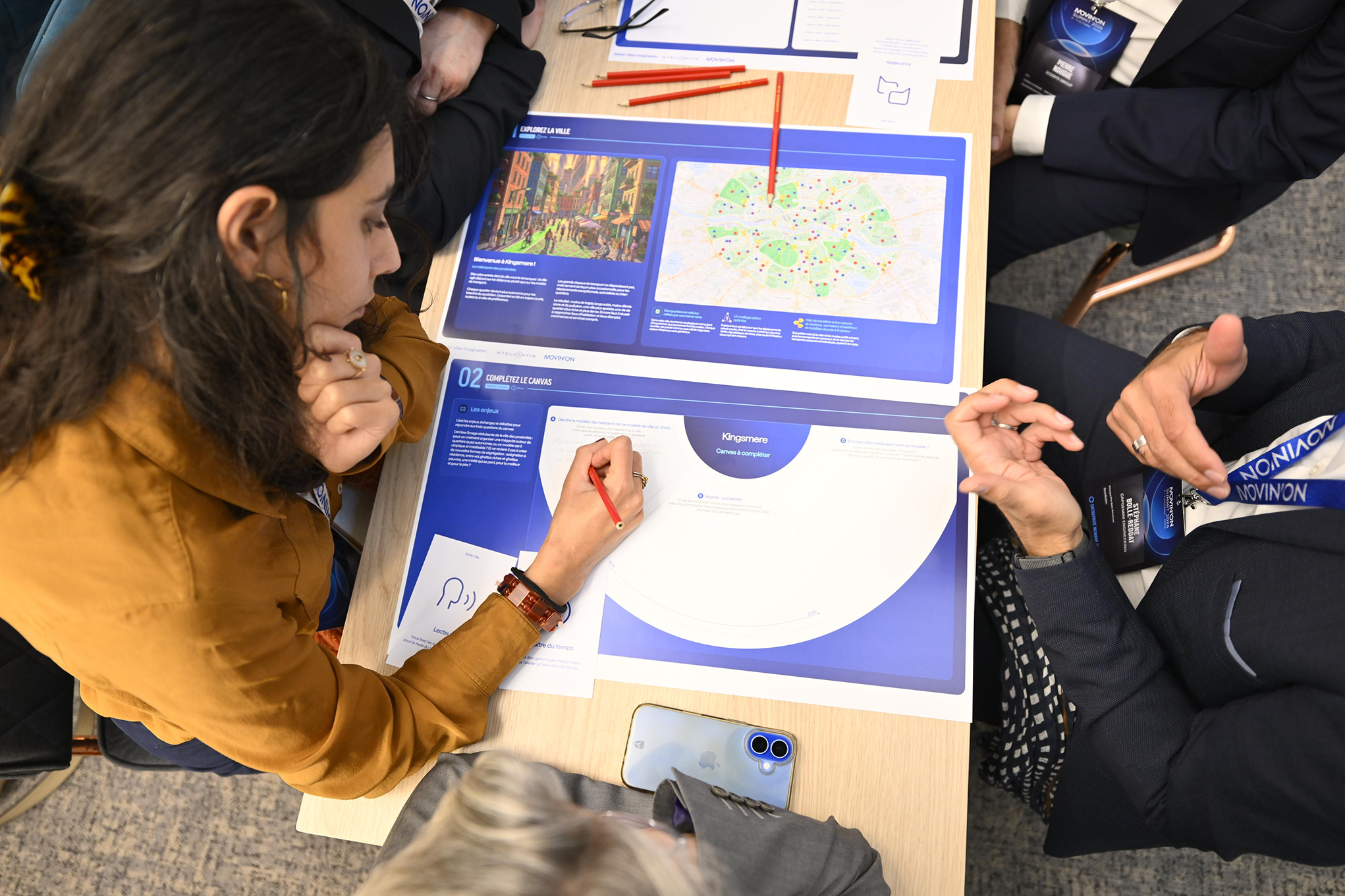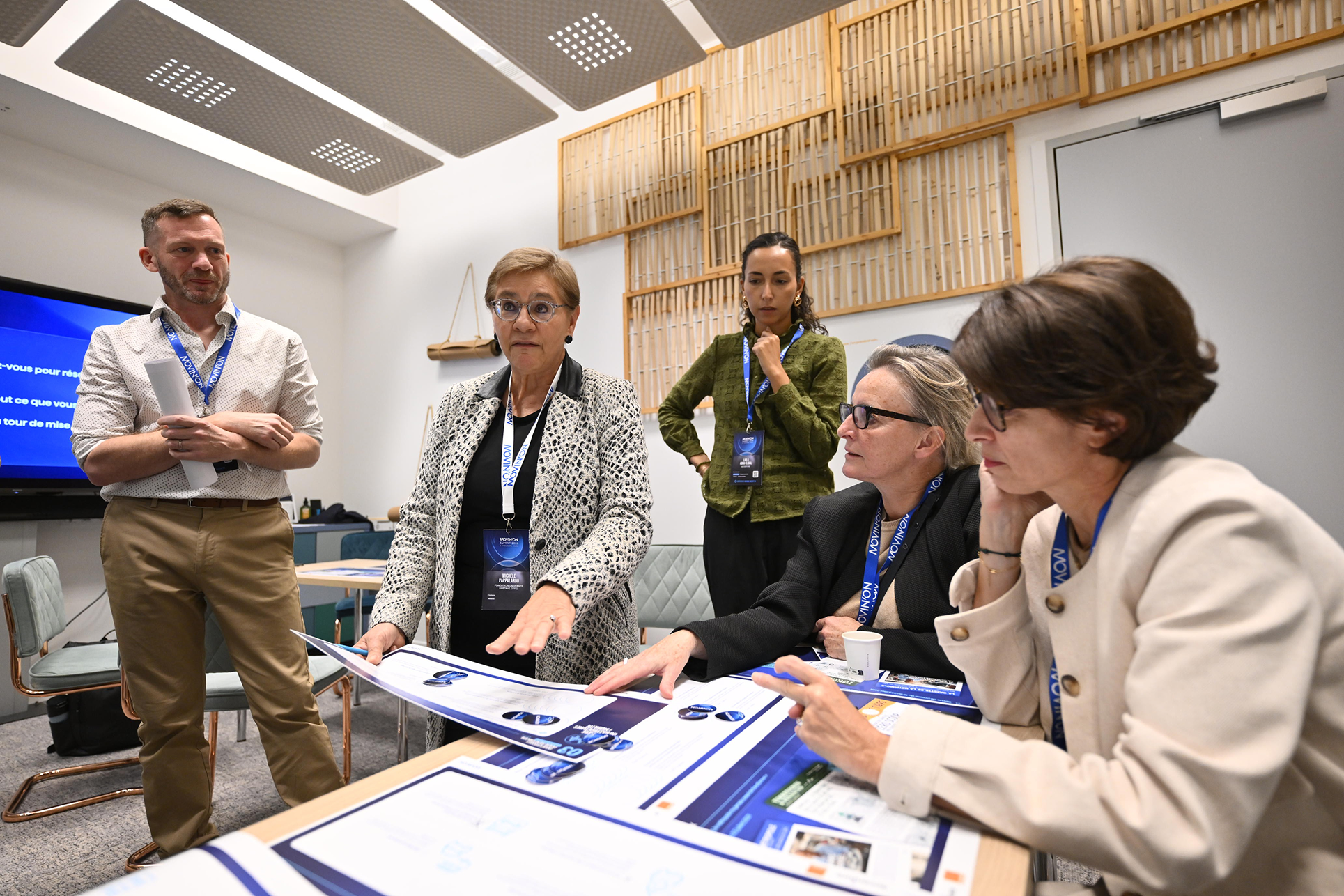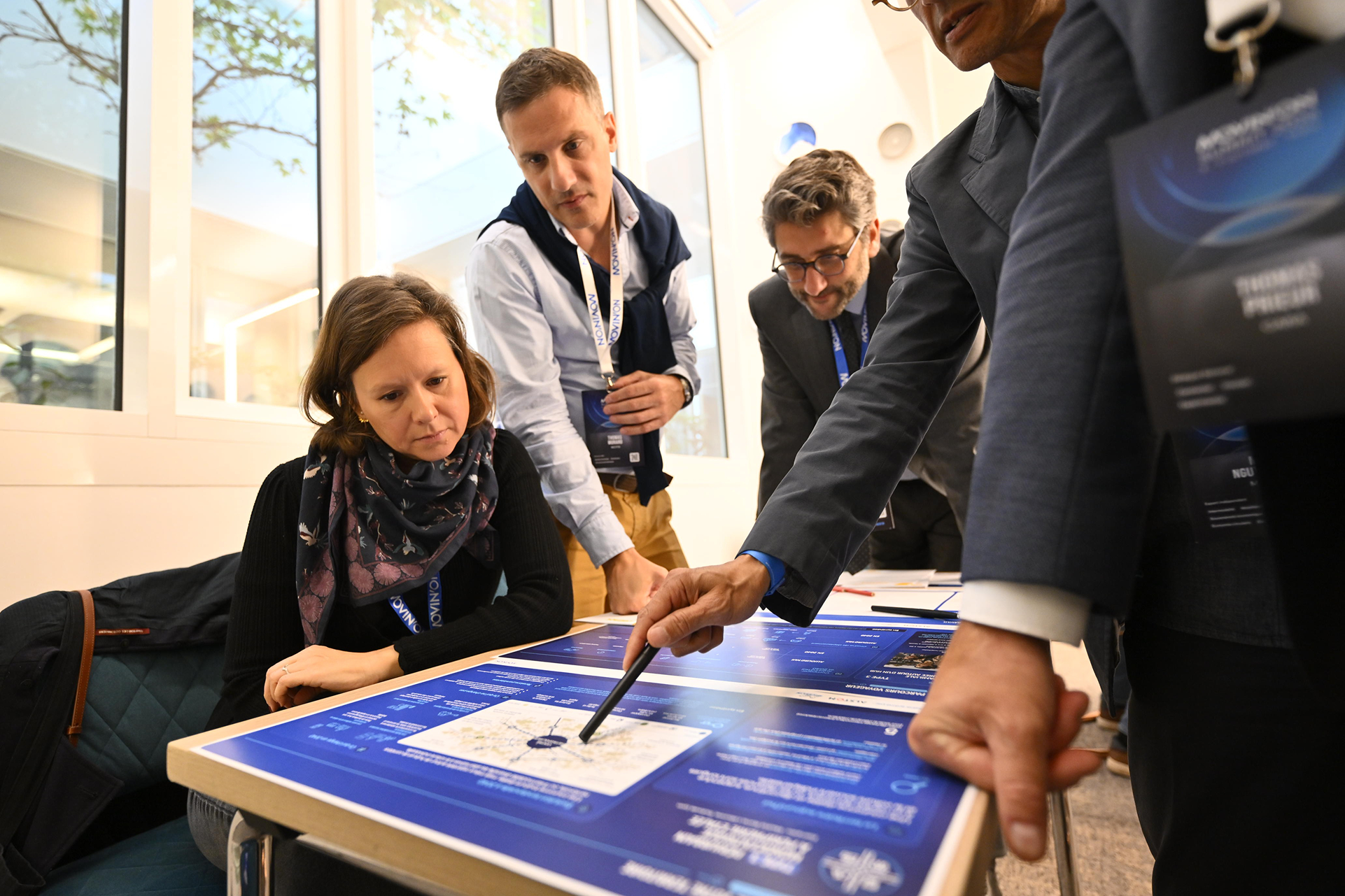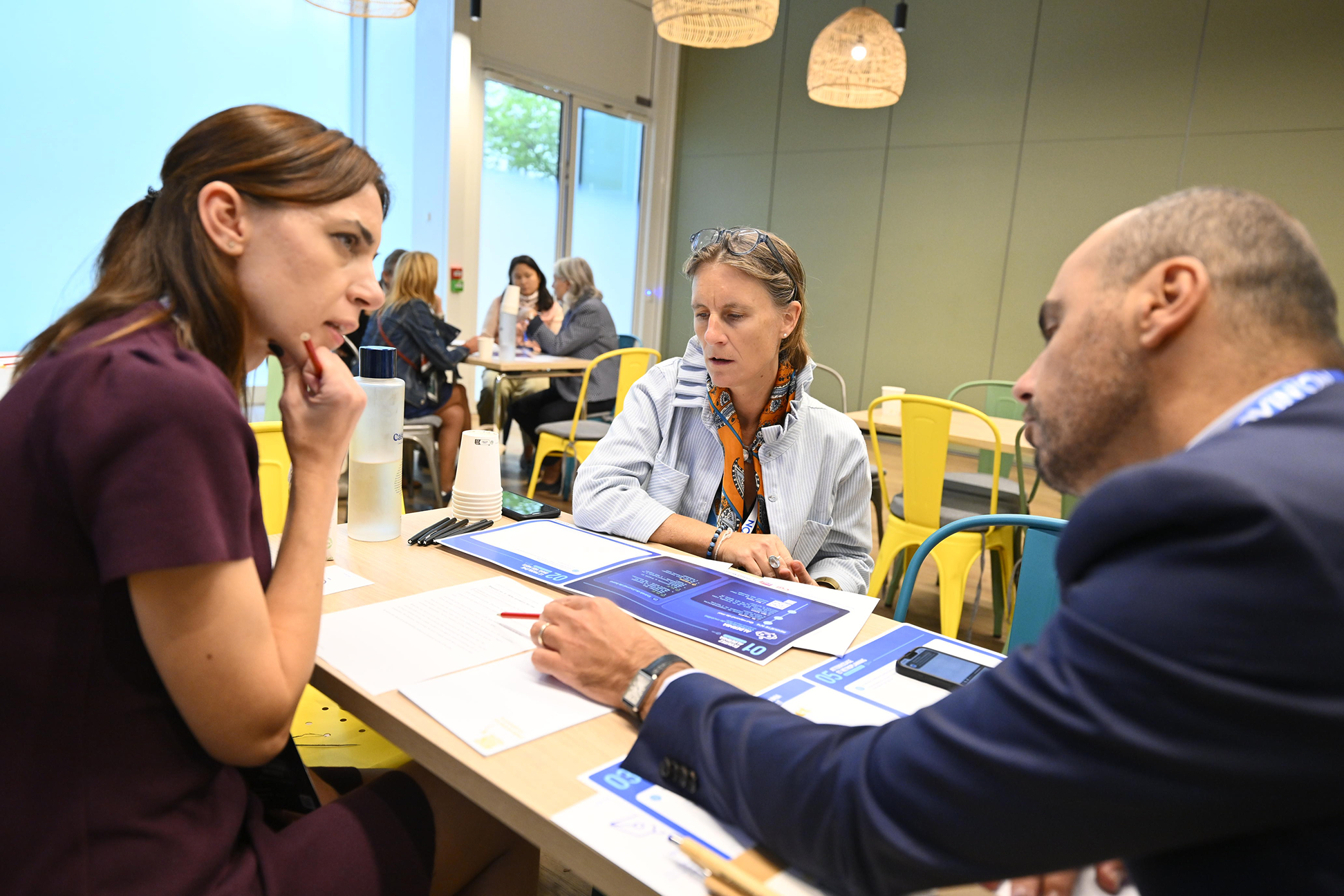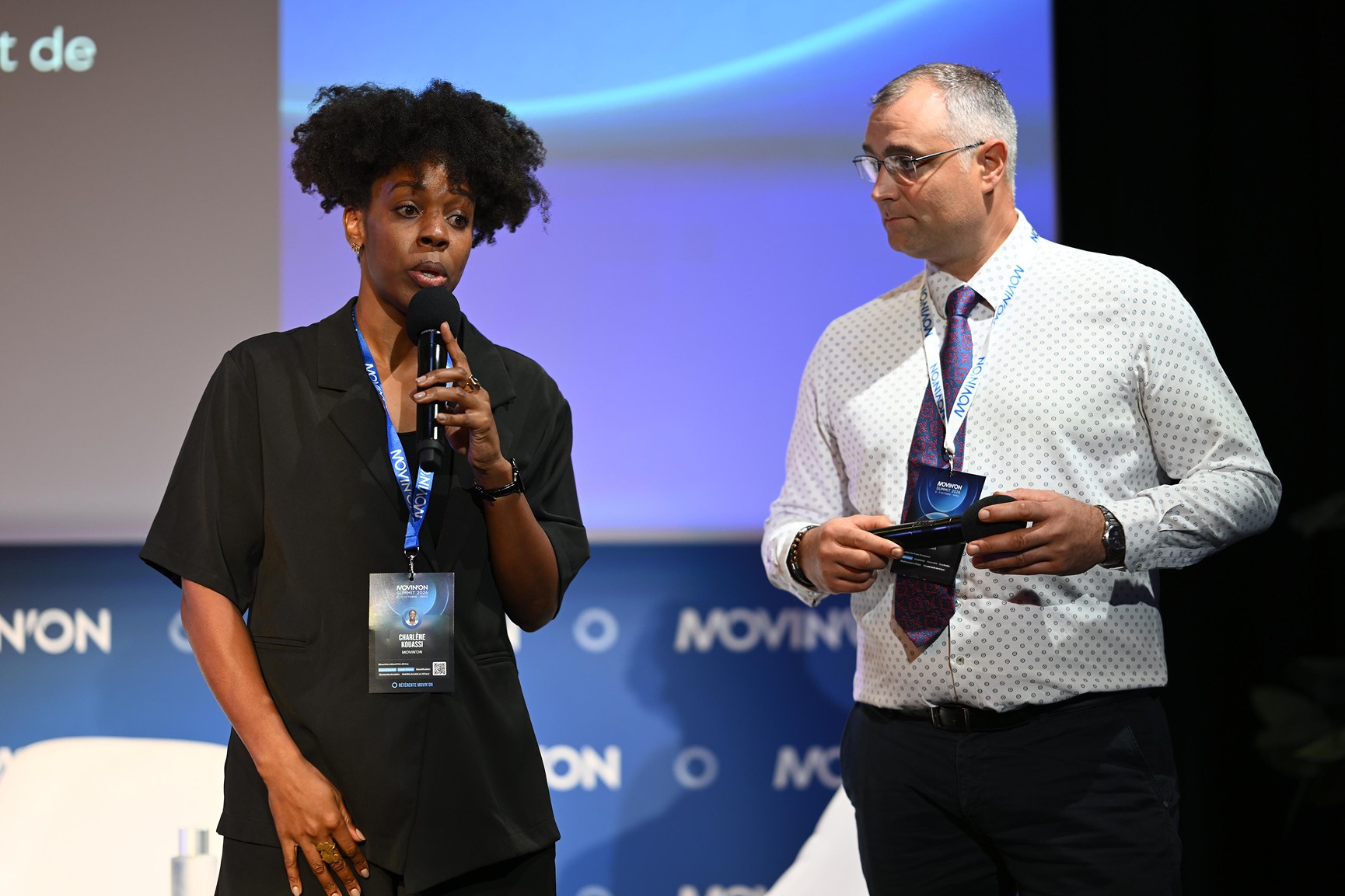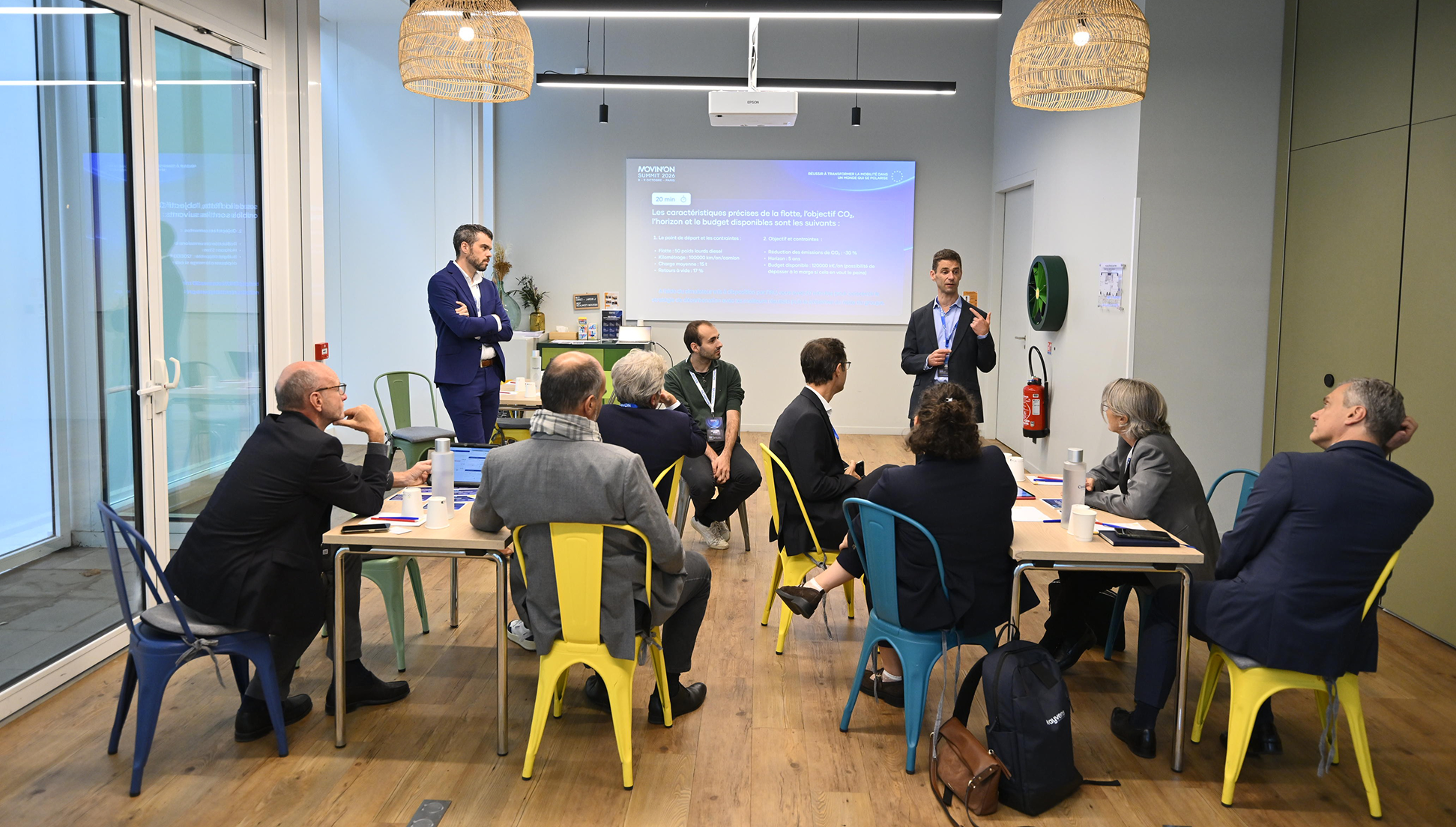
On 9 October in Paris, at the Movin’On Summit, Michelin and the IRU co-led a workshop inviting participants to reduce the CO2 emissions of 30 vehicles in a fictional fleet of 50 heavy-duty vehicles by 30% over five years. Using a simulator, they compared the impacts and costs of nine levers, from electrification to operational optimization, testing different combinations through trial and error.
The objective: to identify the most effective pathways for reducing emissions over time within a budget constraint.
Beyond Electrification: A Broad Range of Levers
Electrification rightly occupies a central place in the transition to sustainable road transport. But a fleet’s carbon footprint also depends on less visible factors: load factors, empty kilometres, rolling resistance, aerodynamics, driving practices and the fuels used. The game compares nine levers whose costs, deployment timelines and conditions for effectiveness vary significantly.
Results That Can Challenge Initial Assumptions
At the start of the workshop, participants are asked to estimate the impact of each of the nine levers. Comparing their estimates with the simulator’s results produces a few surprises. In the scenario tested, improving vehicle loading delivers greater gains than promoting more eco-driving; higher-performance tyres even have a greater impact than a significant reduction in empty kilometres. These comparisons make the respective contributions of different actions more tangible.
Based on a consistent reference scenario, the estimates of scale make it possible to compare the levers on a common basis.
The Decisive Question: Which Mix Fits the Budget?
The exercise takes on its full significance when measures have to be combined. One effective lever may absorb a substantial share of the resources available; another, less spectacular, may prove particularly attractive in terms of cost or speed of implementation. Emissions reductions cannot simply be added together.
Through trial and adjustment, participants explore different balances between operational measures and structural investments, and between quick wins and the fleet’s gradual transformation. The simulator makes the trade-offs between climate targets, timelines and budgets visible, enabling participants to test several pathways before exploring the most relevant ones in greater depth.
Trade-Offs That Extend Beyond the Transport Operator
The discussions highlighted two priority areas: improving vehicle loading and reducing empty trips. Yet progress in both areas also depends on shippers’ choices, particularly those of their transport buyers: how flows are organized, delivery requirements and opportunities for consolidation. Similarly, electrifying international journeys requires shared challenges to be addressed, including access to public charging, weight regulations at borders and tolls. Participants also proposed bringing the most advanced companies closer together and fostering dialogue between industries that still cooperate only rarely on these issues.
This collective dimension reflects Movin’On’s purpose: bringing together the stakeholders whose decisions are interdependent and fostering the cooperation needed to deploy solutions.
A Workshop to Bring into Your Organization
Available to companies, local authorities and institutions, the workshop can bring together internal teams and their partners. In 45 minutes, it combines an initial assessment of impacts, simulation and comparison of different choices. A more in-depth version lasting 2 h 30 to 3 h can draw on the actual characteristics of a fleet and its flows to identify areas for further assessment and cooperation opportunities. In both cases, it helps teams align on trade-offs across functions.