Community for Impact
How can we improve the intermodal experience and make it more attractive?
Lorem ipsum
Lorem ipsum
Lorem ipsum
Movin'On members




Contributing partners

Integrate a sensory and comfort-focused approach into the design of transport equipment and infrastructure, with particular attention to waiting areas to improve the user experience.
Make it easier to take personal active-mobility devices—folding bikes, scooters and similar equipment—on trains and buses by introducing standard dimensions, such as suitably sized luggage compartments, and dedicated storage solutions.
Improve the passenger experience through social interaction and games during journeys, turning travel time into enjoyable and sociable moments
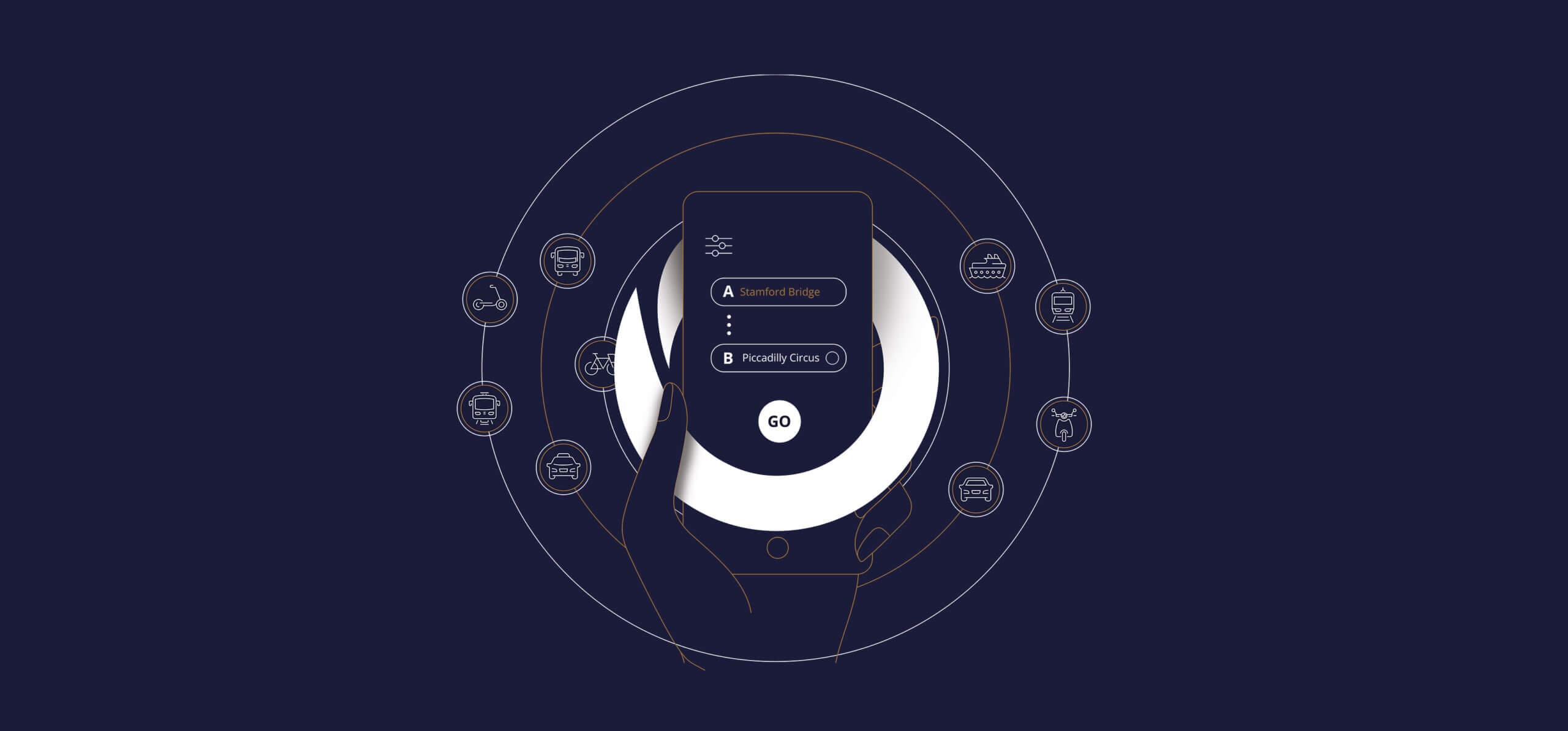
Multimodality is often presented as the ultimate solution for next-generation mobility. It promises to improve urban and even regional mobility by reducing the use of private cars, encouraging active or shared mobility, and highlighting the central role of public transport. However, despite numerous efforts in this area, results have so far been limited. Although mobility-as-a-service (MaaS) projects and start-ups have proliferated, solutions are struggling to emerge. What is delaying the adoption of MaaS?
The MaaS provider sits at the centre of an ecosystem made up of very different stakeholders, each with their own interests and financial management practices. It acts as the interface between transport providers and users. Yet the adoption of these platforms in several cities has not yet delivered convincing, lasting results.
While several types of MaaS now exist, new business-model trends are beginning to emerge among transport and transit authorities seeking to implement sustainable mobility that is better suited to the needs of users and cities.
Can we still believe in the promise of MaaS—and make it work in practice by reconciling the interests of all the stakeholders involved?
Reduce the use of private cars for commuting by making intermodal journeys simpler and more enjoyable.


