As climate-related disruptions become more frequent, protecting each individual piece of infrastructure is no longer enough to guarantee continuity of mobility services. A power outage, flooding or the failure of an access route can affect an entire service, even when its equipment is still operating.
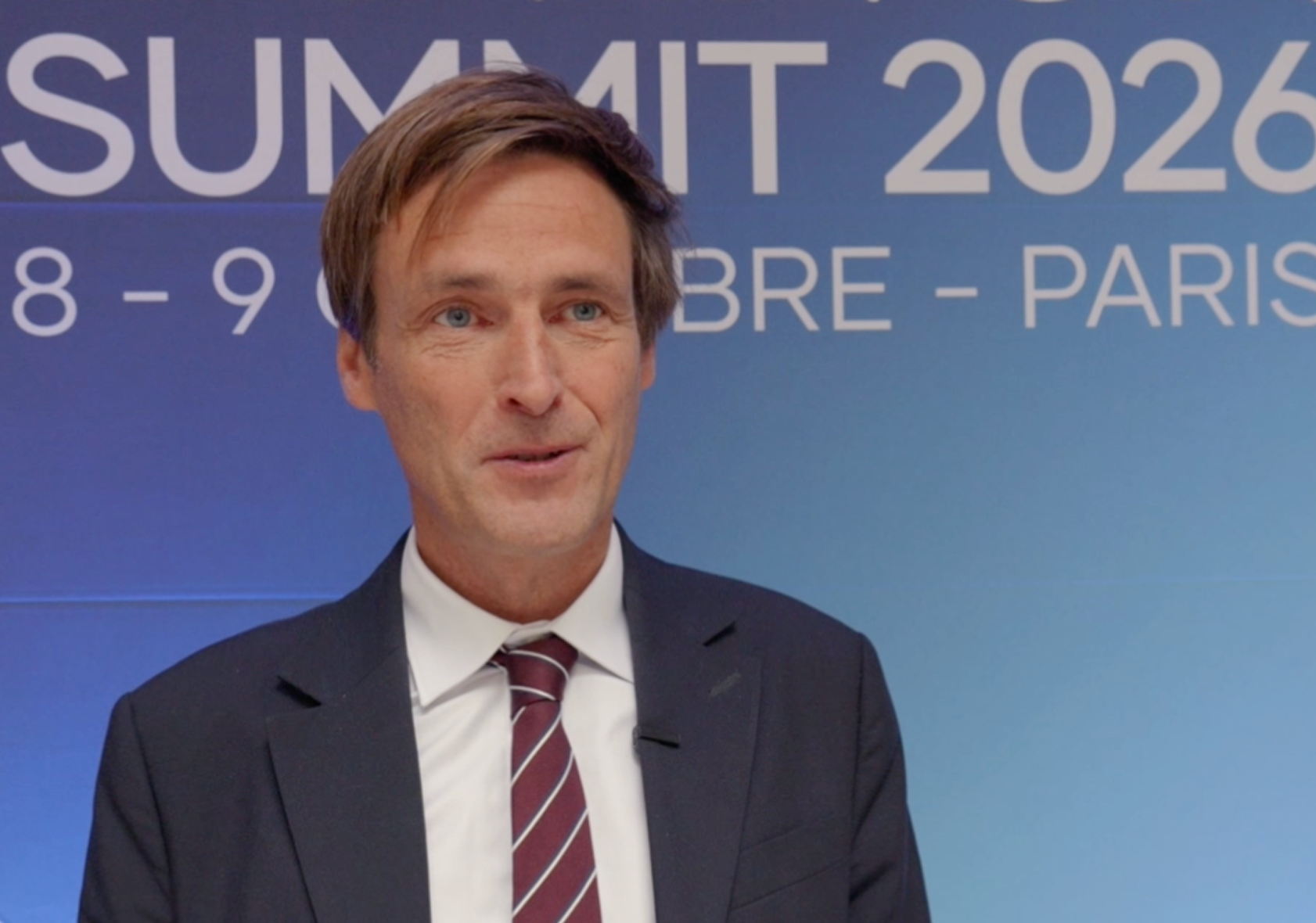
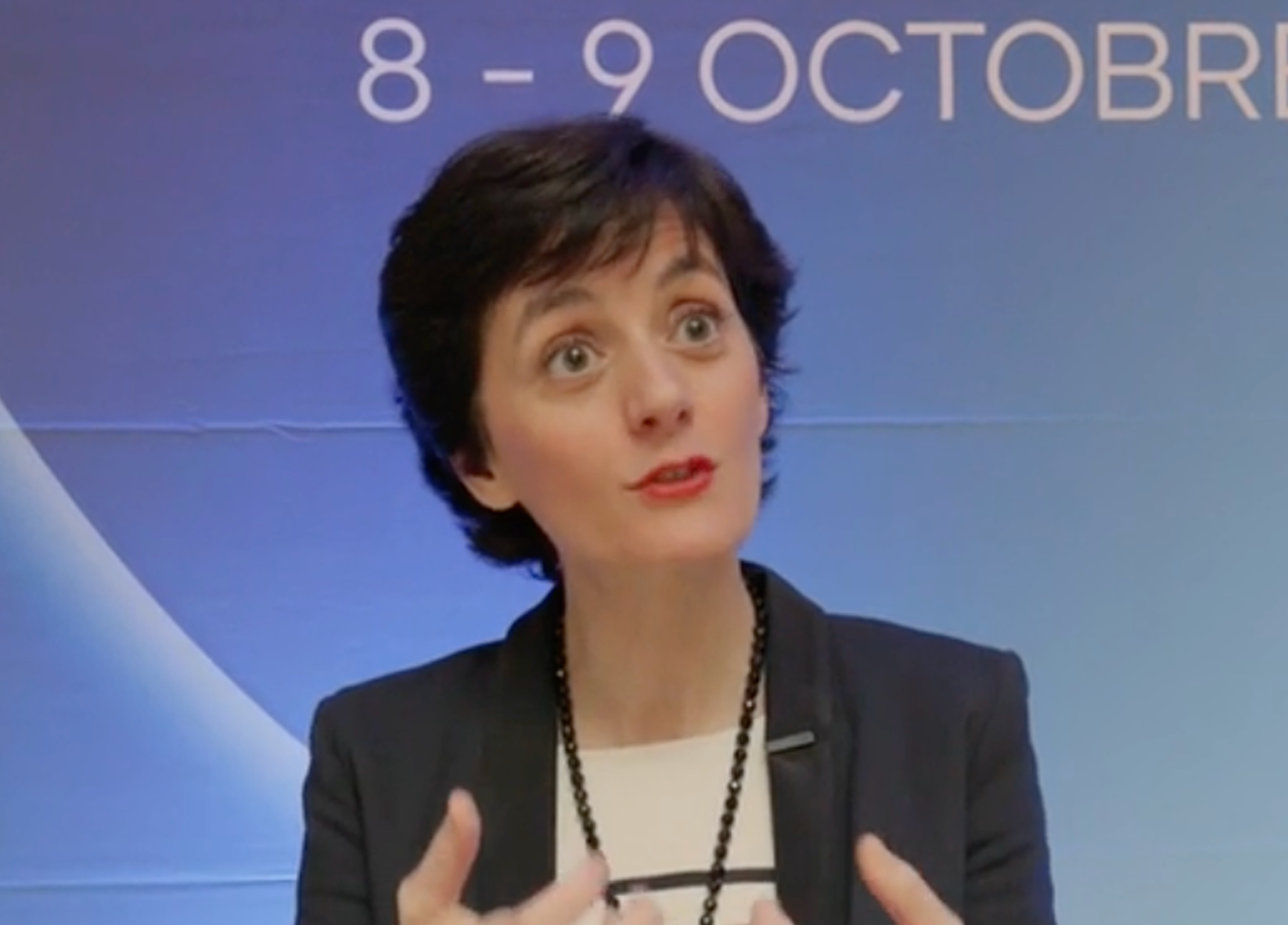
At the Movin’On Summit 2026, Chantal Jouanno, former Minister and Managing Director Energy Utilities at Accenture, and Isabelle Spiegel, Vice-President, Environment at VINCI, advocated a systemic approach to resilience: identifying dependencies, balancing performance and robustness, and preparing collectively for crises across territories and value chains. The central question is no longer simply how to make each asset more robust, but how to ensure that the system can continue to perform its essential functions when one link fails.
“The transition must not make us more vulnerable. And resilience must not, in turn, increase our environmental footprint.” Gaël Quéinnec, in his opening remarks at the Movin’On Summit 2026
KEY TAKEAWAYS
1. Decarbonisation and adaptation must be addressed together
Chantal Jouanno highlights the risk of shifting vulnerability rather than removing it. Electrifying mobility reduces dependence on oil, but increases reliance on electricity generation and grids, which are themselves exposed to extreme heat and water stress.
“In reality, we are transferring vulnerability from one sector to another.” - Chantal Jouanno
The challenge is therefore not to set decarbonisation against adaptation, but to address them simultaneously and examine the points of fragility between systems. At investment level, this also means accepting certain trade-offs: a solution that supports decarbonisation is not always the most robust, while an adaptation solution developed without considering its footprint or the dependencies it creates may shift vulnerability rather than reduce it.
2. Service continuity matters as much as the strength of infrastructure
Isabelle Spiegel points out that the economic and operational consequences of a crisis can extend far beyond physical damage. She cites Kansai Airport, which was hit by a storm in 2018: electrical equipment installed in the basement was flooded, while disruption to access routes further delayed the return to normal operations. She also refers to flights cancelled in Portugal despite airports’ backup systems continuing to operate during an external power failure.
Resilience therefore means defining the essential functions that must be maintained, including under degraded operating conditions, rather than seeking to protect every piece of equipment absolutely. In other words, deciding in advance what must continue to operate at all costs, what can temporarily function in a degraded mode and what can be proactively suspended.
3. Digital twins and AI shed light on vulnerabilities and scenarios; decision-makers must make the call
Digital twins can map networks, value chains and their vulnerabilities, then test multiple climate scenarios. AI accelerates their development and the analysis of data. Used across several interdependent systems, they can also simulate cascading failures and test different switchovers before a crisis occurs. But their effectiveness depends on the quality of the information and assumptions used; they do not make decisions on behalf of decision-makers.
“It supports decision-making, but ultimately, a decision still has to be made.” - Chantal Jouanno, former Minister, Managing Director Energy Utilities - Accenture
4. Crisis preparedness must extend beyond each stakeholder’s individual plans
Crisis exercises already exist, but they do not always bring together all stakeholders. Individually robust business continuity plans can nevertheless leave collective vulnerabilities unaddressed if they overlook mutual dependencies. The speakers call for cascading effects, prolonged crises and territorial and industrial interdependencies to be incorporated into preparedness efforts. They also point out that preventive closure or temporarily degraded service can help avoid a more serious situation.
“It is essential to conduct collective crisis-management exercises, rather than having everyone work [on their own].” Isabelle Spiegel, Vice-President, Environment at VINCI.
Movin’On therefore proposes testing ALMA — Local Multi-Stakeholder Alliances — at selected sites: bringing together in advance the stakeholders that will depend on one another when a crisis occurs, so they can prepare their cooperation in practical terms.
TENSIONS AND OPEN QUESTIONS
How can immediate performance be reconciled with investment in robustness? Which services should remain priorities when degraded operations must be accepted? Who decides when an operator’s choices affect territories, networks or stakeholders upstream and downstream? How far should we accept a solution that is more resilient but more costly or carbon-intensive in the short term? And how can the data needed for crisis prevention and management be shared between public and private stakeholders while protecting confidentiality and everyone’s interests?
OPPORTUNITIES FOR ACTION
Map, at the most local level possible, the interdependencies between infrastructure, electricity networks, logistics chains and essential services in order to identify hidden vulnerabilities.
Test multiple crisis scenarios, including extreme and combined events, using reliable data, digital twins and AI tools, in particular by simulating cascading effects across several systems.
Define in advance the priority functions, thresholds for preventive closure and acceptable forms of degraded operation, as well as recovery priorities.
Organise collective crisis-management exercises involving operators, value-chain stakeholders, local authorities and government services, to discuss not only each party’s plans but also their ability to operate together.
Establish data-sharing arrangements and common governance principles to speed up decision-making in a crisis, clarifying responsibilities and decision-making rules in advance.
WHAT DOES THIS MEAN FOR MOVIN’ON?
From fragmented resilience plans to collective resilience capacity
The two speakers identify a potential role for Movin’On: bringing together stakeholders that do not always work together, facilitating secure data sharing and testing their continuity plans against common scenarios. Chantal Jouanno explicitly refers to Movin’On’s role as a “trusted third party” and to a simulation exercise being considered with the ecosystem.
ALMA — Local Multi-Stakeholder Alliances — give this ambition a practical form: jointly identifying critical dependencies, preparing operating rules for degraded conditions and building, in peacetime, the relationships and solidarity that a crisis will put to the test.
A possible next step would be to structure an intersectoral exercise around a crisis scenario affecting several infrastructures simultaneously, in order to identify blind spots, test coordination mechanisms and establish shared governance principles.
Movin’On’s challenge: moving from resilience plans developed separately to a collective capacity to anticipate and make decisions, before crises expose interdependencies.